
As 2026 begins, Washington, D.C.’s rental housing landscape continues to evolve in ways that matter to small landlords, tenants, and the communities they serve. At the center of many of these conversations is the Small Multifamily & Rental Owners Association (SMOA), a D.C.–based organization that advocates for small property owners and the preservation of the city’s naturally occurring affordable housing.
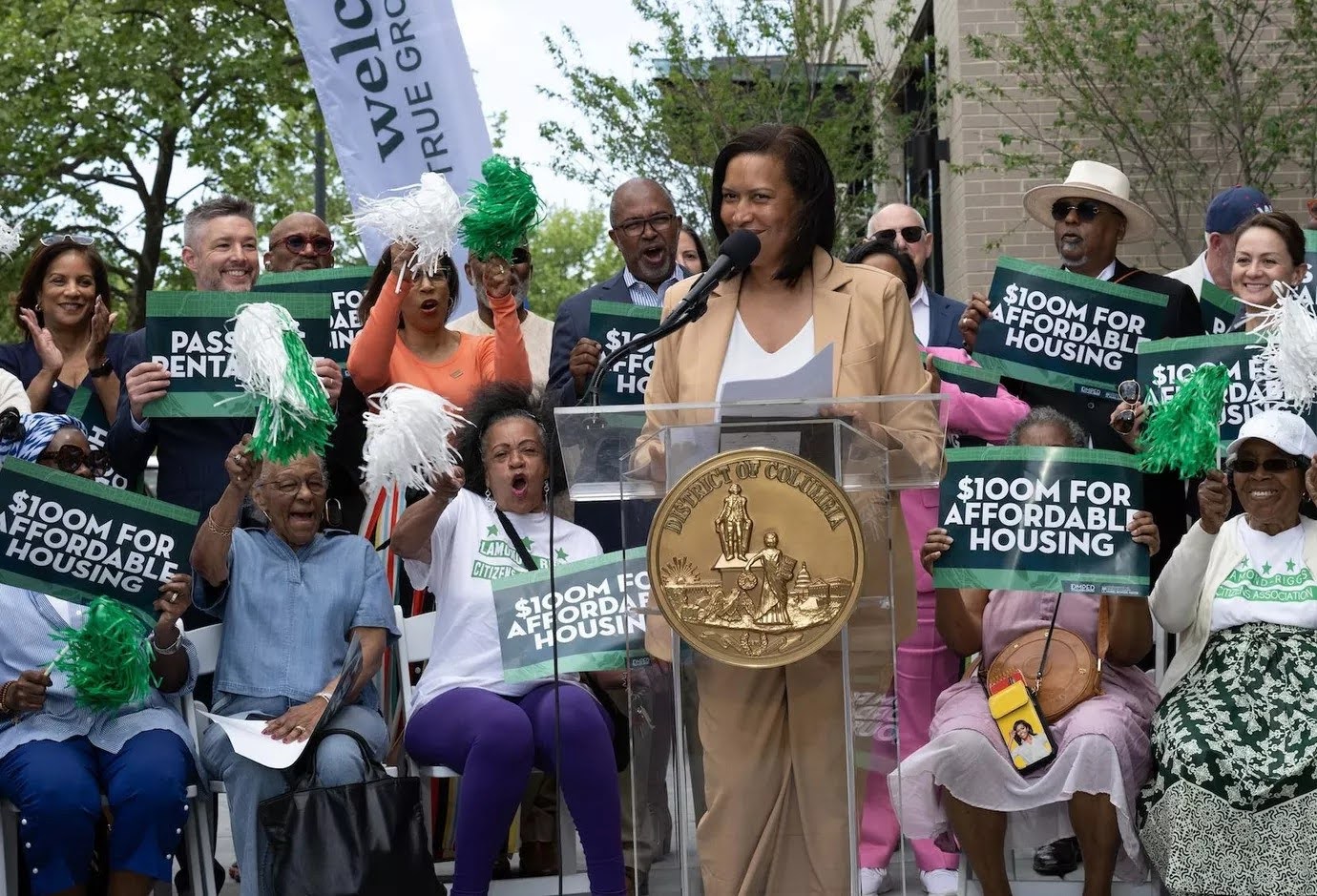
Photo credit: https://multifamilyowners.org/fall-summit
At their December “DC Housing Policy Summit,” city officials, housing researchers, lenders, attorneys, and housing providers gathered to discuss the policies and proposals shaping the future of rental housing in the District. The topics ranged from recent legislative changes to emerging ballot initiative and understanding how today’s policy decisions will affect housing stability tomorrow.
Why Housing Policy Matters in 2026
If you are a landlord or a tenant, several developments now underway in D.C., are expected to influence how rental housing operates in the years ahead.
One of the most significant developments is the Rebalancing Expectations for Neighbors, Tenants and Landlords (RENTAL) Act of 2025, a sweeping piece of legislation passed last fall and effective December 31, 2025, which updates a range of housing laws. This broad housing reform law will modernize housing regulations and address long-standing court backlogs, and in a practical manner, assist landlords with shortened notice and filing requirements for lawsuits. The Act introduces changes to eviction procedures, adjusts pre-filing notice timelines, and modifies certain tenant protections under previous legislation, the Tenant Opportunity to Purchase Act.
At the same time, the District has expanded its Rent Registry, in order to have a better overview of licensed rental units in the city with updated technology that tracks rental units subject to and exempt from rent control and other related housing information. Designed to improve transparency and enforcement, Rent Registry (https://rentregistry.dc.gov/) makes it easier for all parties to verify rent control status and compliance.
Looking ahead to the 2026 election cycle, a proposed ballot initiative for a two-year rent freeze is generating significant conversation. If it qualifies for the ballot and is approved by voters, the measure would pause rent increases across the District for two years. While still in the proposal phase, it reflects the broader focus on tenant affordability that continues to shape housing policy debates.
What This Means for Rental Owners
Taken together, these changes underscore how closely policy and day-to-day operations are connected for small landlords. Staying informed about notice requirements, registration obligations, and evolving regulations isn’t just a legal necessity. It’s a key part of maintaining stable, compliant rental properties.
With discussions underway about rent stabilization, voucher policies, and potential rent freezes, long-term revenue projections will be influenced by regulatory shifts just as much as market conditions alone. Financial and strategic planning becomes even more important to protect your interests.
Preparing for the Changes
As the owner of a property management company here in the District, I’ve spent much of the past year thinking about how these changes translate from legislation into real-world operations.
The first priority has been updating our eviction and compliance workflows to align with the RENTAL Act of 2025. That means revising how delinquent rent cases are handled, adjusting notice procedures, and helping owners understand how revised timelines and court processes may affect the cost, timing, and strategy behind enforcement decisions.
Just as important, we’re shifting toward earlier, more proactive communication around compliance and regulatory risk. Rather than reacting after policies take effect, we’re working to flag potential exposure in advance, so owners can make informed decisions before small issues become costly problems.
A Bigger Picture for 2026
Housing policy in Washington, D.C., has always reflected the city’s values from protecting tenants to preserving affordability in rapidly changing neighborhoods. As those policies continue to evolve, the challenge will be finding the right balance between stability for renters and sustainability for the small property owners who provide much of the city’s housing.
The conversations happening now at policy summits, in Council chambers, and across neighborhood communities will shape how rental housing is regulated. For landlords, tenants, and legislators alike, 2026 represents an opportunity to engage thoughtfully, to ask hard questions, and to create a future where compliance, fairness, and long-term stability go hand-in-hand.
Scott Bloom, Owner and Senior Property Manager, Columbia Property Management

Bloom founded Columbia Property Management in 2012. CPM’s goal is to provide a powerful, personal level of service to our clients. We focus on smaller landlords, professionally managing their assets, so they can succeed by investing in rental real estate.
Scott is an active member in multiple professional organizations including the National Association of Residential Property Managers (NARPM) and serves on the property management committee of Greater Capital Area Association of REALTORS® (GCAAR).
For more information and resources, go to www.ColumbiaPM.com
