

According to rental market statistics from RentCafe1, Washington, D.C., remains at the top of the most popular cities for rental properties. With a strong rental market and a growing population, success should be second nature to real estate investors and rental property owners in this area.
As a self-manager of your own rental, if you’re not enjoying the profitability and the earnings that this market can provide, it might be time to look for professional management.
There are certain signs that show property owners have outgrown self-management. We’re exploring those today, and inviting DIY landlords to consider the benefits that come with a partnership with a professional property management company in Washington, D.C.
Keeping Up with Local Rental Laws and Regulations is a Struggle
Washington, D.C., is known for having a complex and ever-changing regulatory environment. There are strict tenant rights, rent control laws, and specific rules related to property maintenance such as mold and lead-based paint hazards, among others. The Rental Housing Act of 19852 is strictly enforced, and under this program, there are specific rules regarding rent adjustments, dispute resolution, and eviction protections.
Fair housing laws need complete compliance, security deposits have strict timelines, and habitability standards are in place to ensure tenants are living in a home that’s safe and well-maintained.
Staying on top of these rules can be time-consuming and difficult. Violating even a small regulation unintentionally can result in fines or legal action. It’s critical to stay compliant, and if you find yourself struggling to keep up with the evolving laws and regulations, it’s a clear sign that you may need professional help. Property managers can reduce the risk and liability of making a legal mistake.
Financial Returns are Underwhelming
A lot of self-managing landlords choose to lease, manage, and maintain their own properties because they don’t want to pay a management fee. We get it. Keeping more of your money seems like the best way to increase profitability.
But, here’s the reality of it: property managers can help you earn more and spend less on your investment, increasing your earnings and your ROI. In fact, a good property manager can often earn enough additional net revenue for the owner to pay for that fee over a year.
Property managers are experienced at maximizing the financial performance of rental properties. We can help:
- Optimize rental income
- Reduce vacancy rates
- Lower maintenance costs through established vendor relationships
- Recommend improvements for higher values
Ultimately, a good property manager will ensure that your property is being run efficiently. We will use our expertise to ensure your property is earning what it should.
Maintenance and Repairs Are Taking Up Too Much Time

Maintenance challenges are not unique to self-managing rental property owners. We deal with them, too, as professional property managers. We respond to plumbing issues and appliance malfunctions, we take calls in the middle of the night when a sewer is backing up, and we work hard to protect properties against deterioration and general wear and tear.
This can be overwhelming, especially when it comes to finding vendors and service professionals that are both affordable and provide quality service. Plumbers, electricians, HVAC technicians, and even landscapers and cleaners are in high demand in Washington, D.C. But maintenance at your rental property cannot wait. It’s essential to the value and condition of your investment as well as to the product you are selling.
It’s time to work with a professional property manager if you’re having trouble finding vendors or if you’re struggling to keep up with maintenance requests. We have systems for emergency responses, routine repairs, and preventative services.
Tenant Screening Is Becoming More Difficult and Time-Consuming
Finding good tenants is one of the most critical aspects of rental property management. But in our home of Washington, D.C. we have one of the most regulated rental markets in the country. The tenant screening process has become increasingly complex, highly restricted, and time-intensive.
Many property owners are surprised to learn that there are more limitations than ever on what can be screened, what information can be used in making a decision whom to rent to, and how screening decisions must be documented. Federal and local laws tightly regulate the use of credit histories, criminal background records, income verification, and even eviction records. Staying compliant is not optional. Failure to follow these rules can open the door to discrimination claims, administrative complaints, substantial fines, or even lawsuits.
That’s why rushing or relying on outdated methods can easily result in selecting the wrong resident or worse, unintentionally violating DC’s Human Rights Act or federal Fair Housing laws.
Problematic tenants often become evident only after move-in: lease breaks, chronic late payments, noise complaints, and property damage. When these patterns appear repeatedly, it is often a sign that the screening process is not sufficiently structured.
Why Professional Screening Matters
Professional property managers have systems in place to perform thorough, legally compliant screening while avoiding oversteps that could violate the regulations. Professional property managers use trusted screening platforms and follow written processes that keep owners protected and ensure fairness for applicants.
Columbia Property Management’s screening process includes:
- Credit Report Review
Evaluating credit patterns, payment reliability, and debt load while complying with restrictions on how data can be used. - Rental History Verification
Contacting prior landlords and reviewing national eviction databases, keeping in mind that some jurisdictions like the District of Columbia limit how far back eviction data can be seen, much less considered. - Background Checks
Reviewing public records in a manner consistent with DC’s Human Rights Act and federal guidance on criminal history usage. Not all criminal records can be considered in rental decisions, and timing rules often apply. - Income & Employment Verification
Confirming applicants can afford the rent and other monthly expenses based on their income, without ruling out certain income in a discriminatory way (for example, vouchers, subsidies, or lawful alternative forms of income).
There are many intentional steps conducted by professional property managers under a framework that ensures decisions are based on objective criteria, applied consistently, and fully aligned with the latest federal and DC regulations.
Your Property Is Sitting Vacant for Longer Periods
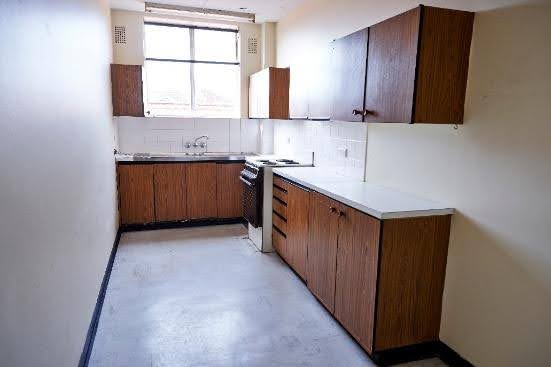
While current rental market dynamics are starting to show the effects of federal workforce layoffs and the worsening local economy, the vacancy rate in Washington, D.C., is relatively low compared to the national average. According to a news report from WTOP3, the local vacancy rate is just 6%, and there are an average of seven applications for every available rental unit.
A vacant rental property can quickly become a financial drain. Whether you own a condo near Dupont Circle or a single-family home in one of Capitol Hill’s neighborhoods, every day your property sits empty means lost income. While the D.C. market is generally competitive, the reality is that there are always fluctuations in demand based on seasons, neighborhood desirability, and even economic trends.
If you’re struggling to fill your rental quickly, it might be a sign that you need to re-evaluate your approach. An experienced property management company has a marketing strategy in place to keep vacancy periods as short as possible. From professional photos and listings to leveraging established networks, they can help ensure that your property is rented quickly, reducing the amount of time it sits vacant.
While managing a rental property in Washington, D.C., can be rewarding, it’s also challenging. As your property portfolio grows or the demands of your life or the demands of being a landlord increase, it’s helpful to recognize when it’s time to step back and let a professional handle the day-to-day tasks.
From navigating complex local regulations to ensuring your property remains occupied and well-maintained, there are many reasons why rental property owners in Washington, D.C., outgrow self-management. If any of these signs resonate with you, consider partnering with a property management company like ours to ensure that your rental investment continues to thrive without the stress and burnout of self-management.
We’d love to be your Washington, D.C., property management partner and resource. Please contact us at 888-857-6594 or https://ColumbiaPM.com.
1 “Rental Activity Report: Washington, D.C., Still in the Lead, With Midwest Matching South for Renter Interest,” Market Insights by Florin Petrut, March 31, 2025. www.rentcafe.com/blog/rental-market/rental-activity-report/rentcafe-rental-activity-report
2 Department of Housing and Community Development, Washington, D.C. Pamphlet on Rent Control. https://dhcd.dc.gov/sites/default/files/dc/sites/dhcd/publication/attachments/RentControlFactSheet.pdf
3 “Why DC apartment renters are squeezed by high housing costs (and how to get that lease)” by Jeff Clabaugh, April 7, 2025. https://wtop.com/business-finance/2025/04/why-dc-apartment-renters-are-squeezed-by-high-housing-costs-and-how-to-get-that-lease
Scott Bloom, Owner and Senior Property Manager, Columbia Property Management

Bloom founded Columbia Property Management in 2012. CPM’s goal is to provide a powerful, personal level of service to our clients. We focus on smaller landlords, professionally managing their assets, so they can succeed by investing in rental real estate.
Scott is an active member in multiple professional organizations including the National Association of Residential Property Managers (NARPM) and serves on the property management committee of Greater Capital Area Association of REALTORS® (GCAAR).
For more information and resources, go to www.ColumbiaPM.com
